
Leaving
On unwanted moves, and hoping for a Chawton of my own

I do not want to move. At all. We have been here since 1994, when we arrived in the middle of a blizzard. The house was dated—“dated” is an understatement. I spent the half hour waiting for the moving truck tearing down the hideous 1970s wallpaper in the bathroom. It was January, and everyone was sick until the revolting green and orange shag carpeting was finally ripped up from the hallways. Over the years, I think I have painted or refinished every inch of the house. I have created gardens and alcoves and rose bushes, a new kitchen and bright windows where there were once small, dull ones. I like it here. A lot.
But for two people to remain in a six‑bedroom house and pay National Grid six hundred dollars for electricity in February is nuts. We need a smaller, cheaper place. Finding one is not going well. I lurk on Zillow and check in obsessively. I am fortunate that I can choose my next residence. Jane Austen was not so fortunate. When her father decided to retire and hand the living at Steventon over to Jane’s brother, poor Jane was forced to relocate to Bath. She hated it
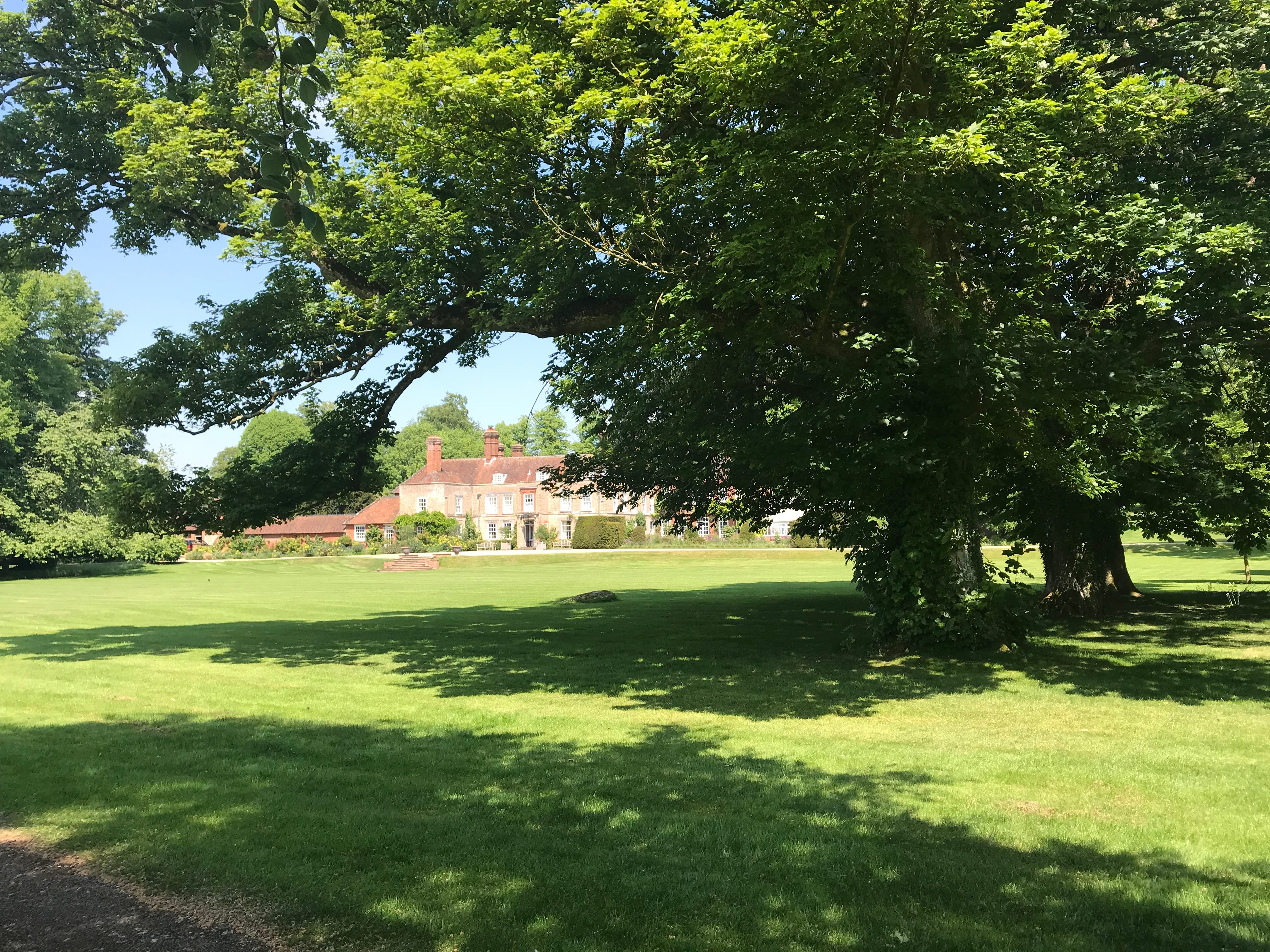
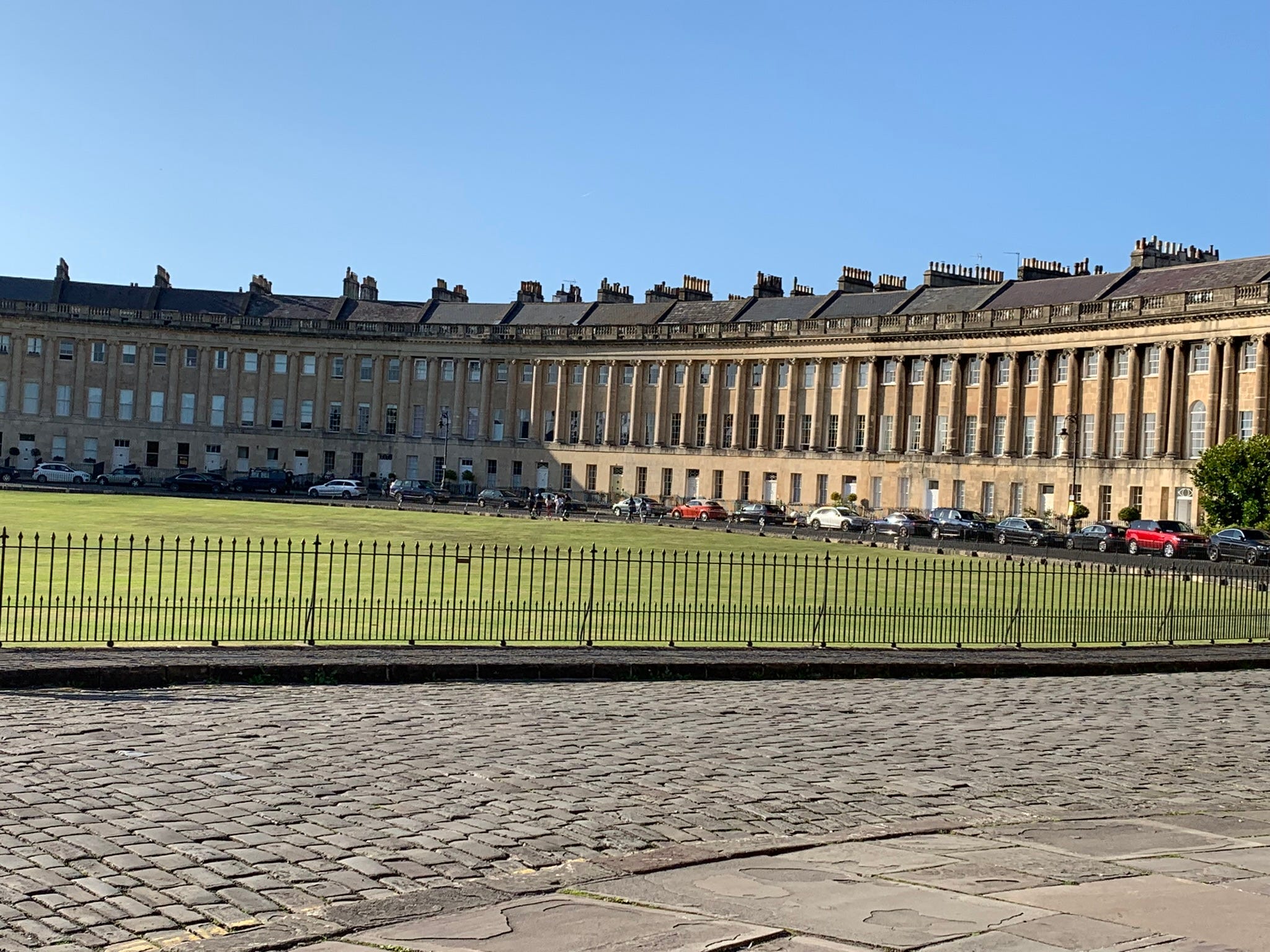
Bath offered Austen none of what Steventon had given her. In place of quiet lanes and familiar parishioners, she found a whirl of assemblies and visits, the endless choreography of being seen without ever really belonging. Her father’s retirement meant the family lived on shrinking means, dependent on the choices of brothers and cousins and whatever lodgings they could afford. Her letters from this period are full of illness, money worries, and social obligations, but almost no fiction; for several years, the novelist of Steventon fell strangely silent.
What I have, and Austen never did, is the power to set my own conditions. No one can simply announce that my home is gone and expect me to faint and accept it. I have more say, more numbers to crunch, more tabs open on Zillow than is probably healthy. Yet the prospect of moving still feels like a threat to my writing life, to the routes my feet take on thinking‑walks, to the kitchen table that has seen more drafts than dinners. Choice doesn’t cancel out the fear that, like Austen in Bath, I might find myself in a new place where the words will not come so easily again.
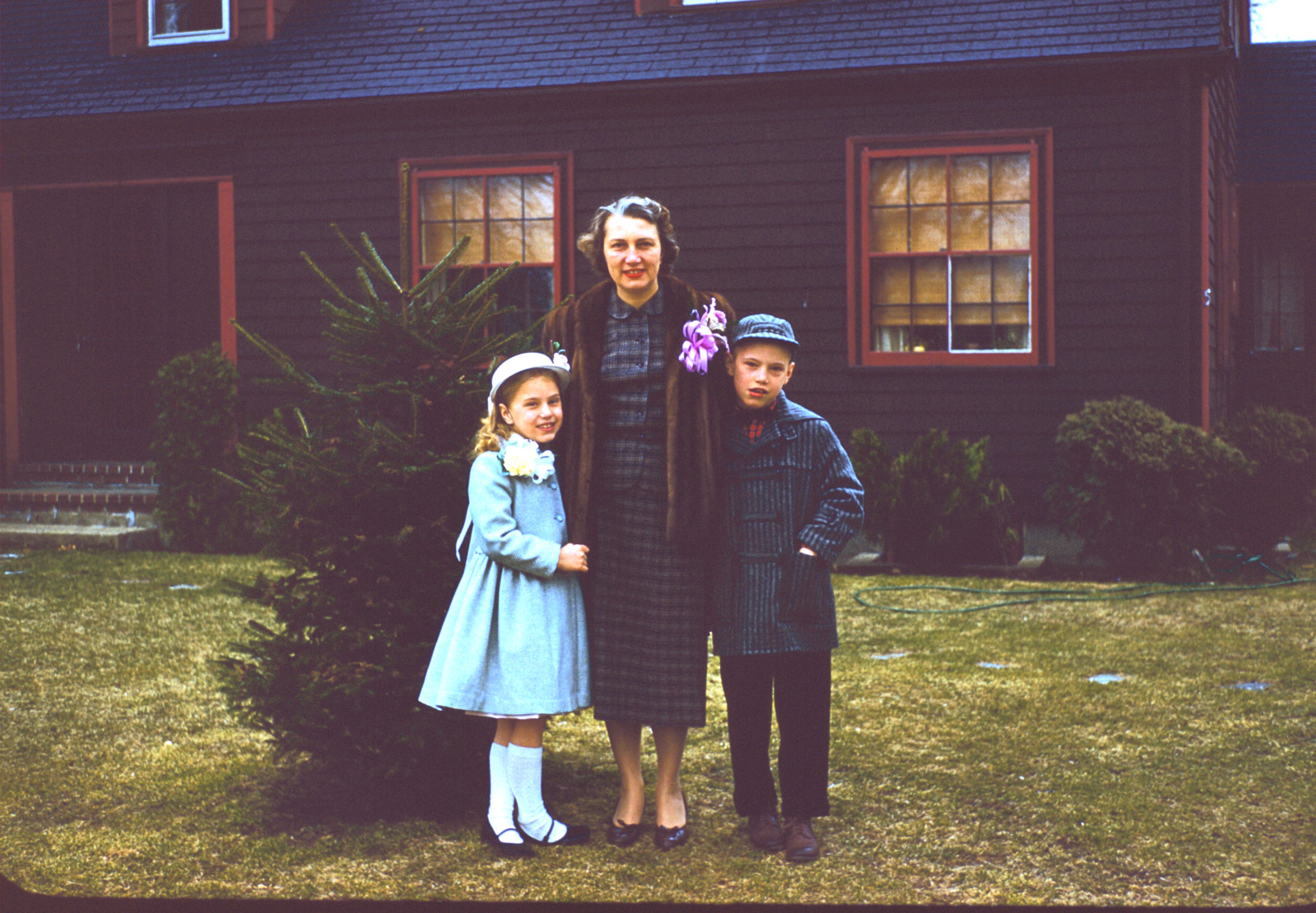
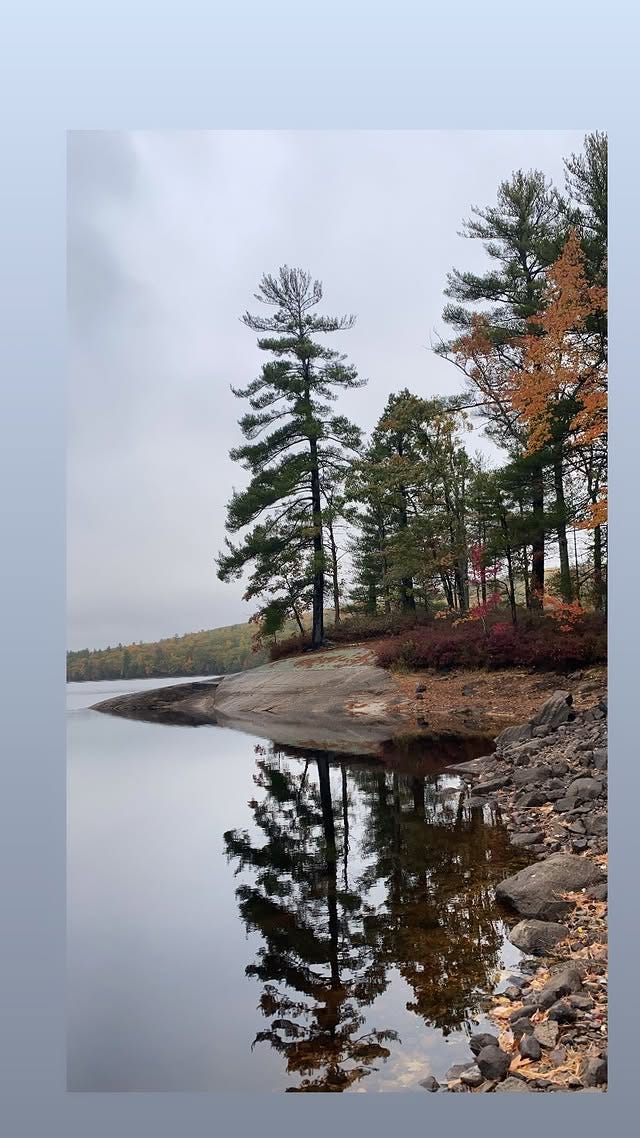
What I am really losing is not just square footage and a ruinous utility bill, but the house where I raised my children and then watched them leave, the rooms where I first became a grandmother, the walls that have held unspeakable grief and the slow, stubborn work of surviving it. This street, this garden, this badly insulated office have become the backdrop to almost every version of myself I recognize. No new house can give me back the toddlers thundering down the stairs or the phone calls that changed everything in an instant. And yet, when I think of Jane finally landing in her Chawton cottage—a modest, imperfect place that nonetheless gave her the quiet, stability, and peace she needed to write again—I find myself hoping for my own Chawton. Not a grand rescue, just a smaller, kinder house where the bills are lower, the light is gentle, and there is enough peace for whatever words and whatever life come next
.
Good luck!
I hope you find a place where you can be comfortable, make new friends, and enjoy life again without the high bills. Ten years ago, we moved 2,000 miles to relocate to a new home in a 55+ community in Texas. We left behind the subzero temperatures, blizzards, high electric bills, and high state taxes to acquire warm temperatures year-round, no state taxes, and lower utility bills. I still miss my old home, but I like this new one. Hopefully, you'll like your new home, too.